Low odor UV primer, suitable for cabinets, floors and furniture—roller-applied, with excellent interlayer adhesion.
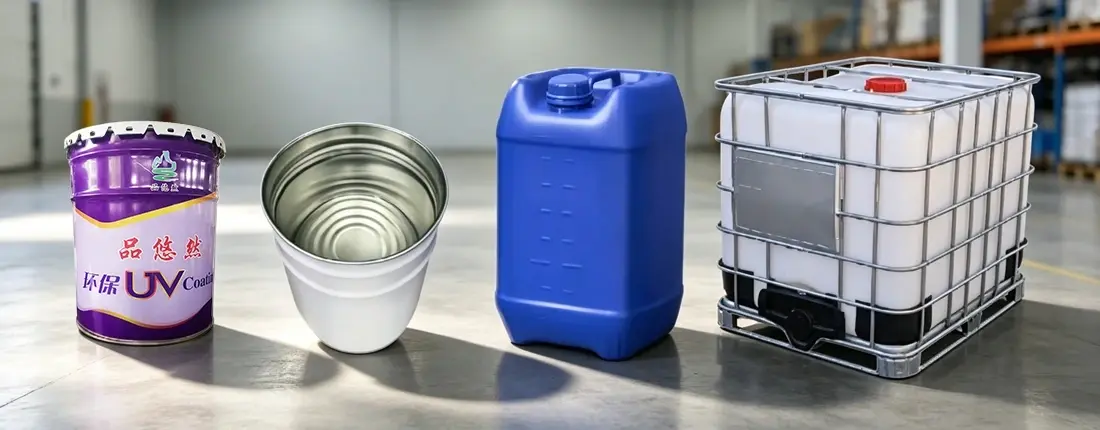
Sanyiyou Low Odor UV Primer is a professional-grade machine-applied roller primer designed for products such as cabinets, furniture, solid wood flooring, composite flooring, and calcium silicate board. Stable substrate sealing and topcoat adherence for high-volume manufacturing lines. Solids content ≥98%. Pencil hardness ≥3H. Cross-sectional adhesion grade 1. Its low odour formulation makes it perfect for use in factories where air quality and worker comfort are of the utmost importance. The product is supplied in 20kg barrels and OEM/ODM customisation service is provided, along with full technical documentation.
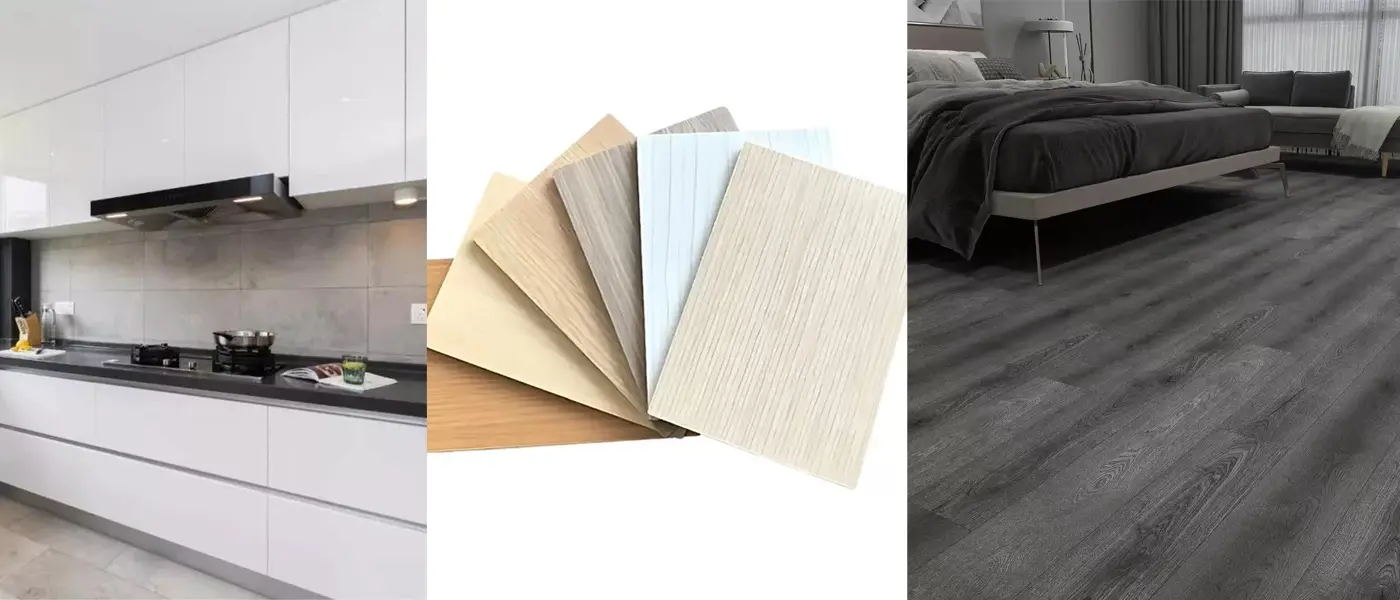
The actual function of this UV roller primer
The function of this primer in your coating is threefold; to seal the substrate, to fix small imperfections, and to improve the interlayer adherence of the topcoat.
The paint penetrates the surface of the substrate and forms a smooth and sealed primer layer using a roller coating equipment. This avoids uneven absorption of the topcoat, and so avoids issues like lack of uniform shine or poor adherence.
During the application of the primer, tiny surface defects like as pinholes, texture openings and micro-scratches are filled in, hence minimising the need for further filling procedures before applying the topcoat.
This gives a smooth and solid basis to assist the topcoat bond securely and maintain uniform performance throughout the whole panel surface.
Technical Specifications of Low Odor UV Primer
| scope | value |
|---|---|
| appearance | homogeneous viscous liquid |
| solid content | ≥98% |
| Pencil hardness | ≥3H |
| Cross-cut adhesive | First grade |
| Construction process | Machine roller coating |
| Package | 20 kg/barrel |
A solids content of ≥98% means extremely low shrinkage after UV curing, resulting in a dimensionally stable primer film. A pencil hardness of ≥3H ensures the primer surface can withstand subsequent sanding and handling without damage.
Grade 1 cross-sectional adhesion reflects strong mechanical adhesion between the primer and the substrate—a key quality indicator for multi-layer wood coating systems.
Compatible substrates and applications
This product is specifically designed for production environments that process the following types of substrates:
Wood-based panels and furniture components —medium-density fiberboard, particleboard, solid wood, cabinet doors, and furniture panels—can all benefit from sealing, especially on highly porosity surfaces that would otherwise absorb the topcoat unevenly.
Engineered wood flooring —whether solid wood or engineered wood flooring—requires a stable primer to achieve consistent UV topcoat performance over large surfaces. The primer's filling effect reduces the visibility of the wood grain through the topcoat surface.
Calcium silicate board – This type of board has varying surface water absorption rates, which can easily lead to humidity-related adhesion problems. If the humidity and cleanliness of the incoming material are controlled, the primer can effectively seal the surface.
Roller coating processes enable low odor UV primers to be used on continuous automated production lines where speed, film thickness consistency, and UV curing efficiency are production priorities.
Key Product Advantages of the Production Line
Low-odor formulations can reduce air irritants in the factory and improve working conditions without affecting curing performance or film quality.
A solids content of ≥98% means that there is more film-forming material per unit volume. This results in a thicker, more effective primer layer with each coat, while reducing material waste.
Improved interlayer adhesion is its main performance advantage. Without a fully cured and firmly bonded primer layer, the risk of topcoat delamination increases—especially when subjected to thermal cycling or humid environments in the end-use environment.
Substrate defect tolerance can reduce the scrap rate of panels with minor surface defects, thereby reducing material waste and rework costs in the production workshop.
Process guidance and quality considerations
Proper UV curing energy is crucial. Over-curing of the primer leads to the loss of active groups on the paint film surface, directly reducing the adhesion of the topcoat and increasing the risk of interlayer peeling. Complete curing should be avoided after roller coating—keep the primer surface slightly active to ensure good chemical bonding with the next coating layer.
For calcium silicate board production lines where there are batch-to-batch variations in adhesion, the following three variables should be checked: board moisture content fluctuations, surface dust accumulation, and residual release agent from the production process. Strengthening incoming material inspection at these stages helps stabilize adhesion.
SANY provides complete process reference documents for low odor uv primer, including recommended roller coating speeds, UV energy settings, and dry film thickness ranges. Samples can be provided for production line testing before bulk orders.
OEM, ODM and supply flexibility
Sany Unicom provides comprehensive OEM and ODM development services for customers who need customized viscosity, adjusted curing reaction, or their own brand packaging.
Standard orders will be completed within 10-15 business days. OEM orders will be completed within 12-18 business days. Custom formulation projects require 20-30 business days, depending on the testing and iteration cycle.
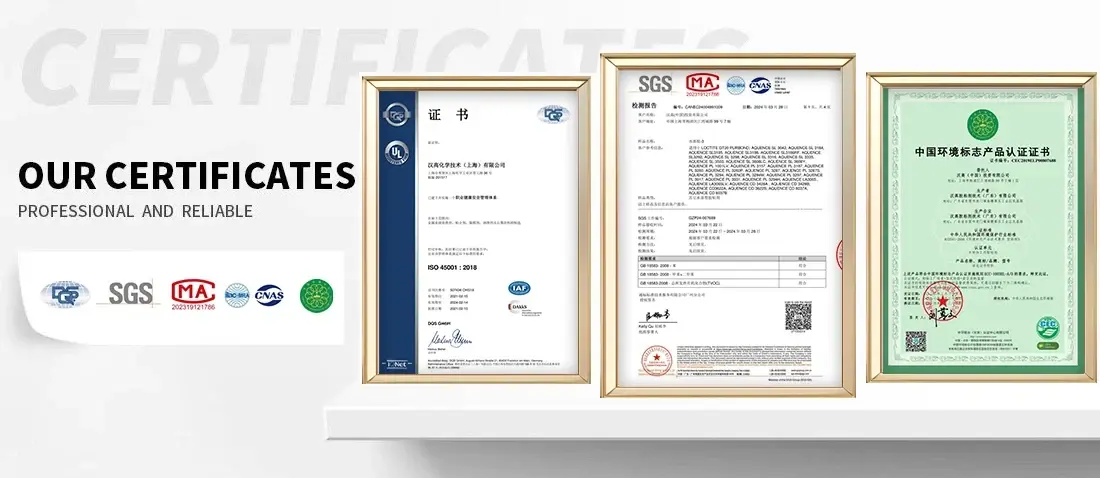
Each product comes with technical documentation, including a Technical Data Sheet (TDS), a Safety Data Sheet (SDS), and test reports. A complete traceability system is established for all batches of products.
Frequently Asked Questions
Q: What substrates is this primer suitable for?
A: Applicable to cabinets, furniture, calcium silicate boards, solid wood flooring, and engineered composite flooring in roller coating processes.
Q: What causes the topcoat layers to peel off after applying UV primer?
A: Excessive UV energy can cause the primer to over-cur and damage active surface groups. Complete curing should be avoided to maintain the adhesion interface of the topcoat.
Q: Why is there a difference in the adhesive strength between different batches of calcium silicate boards?
A: This is most often caused by changes in moisture content, surface dust, or leftover mould releasing agent. Improving incoming material quality control can address most batch variation problems.
Q: Can you provide the process parameters for the production setup?
A: Sure. SANY provides a full roller coating process reference, including UV energy, coating speed and film thickness parameters and supplies samples for trial runs.
Q: Is this product suitable for automated high-speed production lines?
A: Yes. This product is designed for use in roller coating equipment in a continuous manufacturing process.
Q: What documents are available for reference regarding procurement and compliance?
A: We provide Technical Data Sheets (TDS), Safety Data Sheets (SDS), test reports, and relevant certification documents. Each batch of products is fully traceable.
Contact Us
For samples, process documentation, or to learn more about OEM customization of this low odor UV primer , please contact sales@sayiyousolutions.com .