vacuum forming adhesive
1. Widely used for vacuum‑forming process on panel components for living & bedroom areas, cabinet doors, speaker parts, computer desk components, wooden doors and other parts.
2. Excellent bonding strength, heat resistance and moisture resistance, enabling fast bonding of decorative surface materials such as PVC.
3. Free‑formaldehyde content complies with Japanese JAIA F☆☆☆☆ certification requirements.
4. High viscosity, suitable for porous substrates; activation temperature as low as 55 °C.
5.Service Advantages: Custom OEM & ODM solutions available.
6.Model: AQUENCE FD 3139
AQUENCE FD 3139 High-Performance Vacuum forming adhesive of Panel Furniture
Vacuum forming adhesives play a crucial role in the quality and durability of panel furniture production. AQUENCE FD 3139 is a professional-grade water-based emulsion adhesive specifically designed for vacuum molding applications. Its solvent-free, formaldehyde-free formulation meets Japanese JAIA F☆☆☆☆ certification requirements. Its low activation temperature of 55°C and high viscosity (850–1250 cps) make it ideal for bonding porous substrates and PVC decorative films. With over 20 years of adhesive manufacturing experience, this solution contributes to efficient and environmentally friendly furniture production.
Main product characteristics
AQUENCE FD 3139 formulation combines extremely strong initial tack with very high final bond strength. It has good heat resistance and moisture resistance which are important features for furniture panel applications since the panels are often exposed to a variety of environmental variables.
The product is solvent free and free of formaldehyde, safe to use in indoor furniture production situations. It helps to produce a cleaner and safer manufacturing workplace, without affecting the adhesive performance.
The glue has a reasonably high viscosity and thus does not penetrate porous boards too much, which is a problem when bonding low-density particleboard and comparable substrates. This helps to ensure even covering of glue and minimises the chance of the adhesive film peeling.
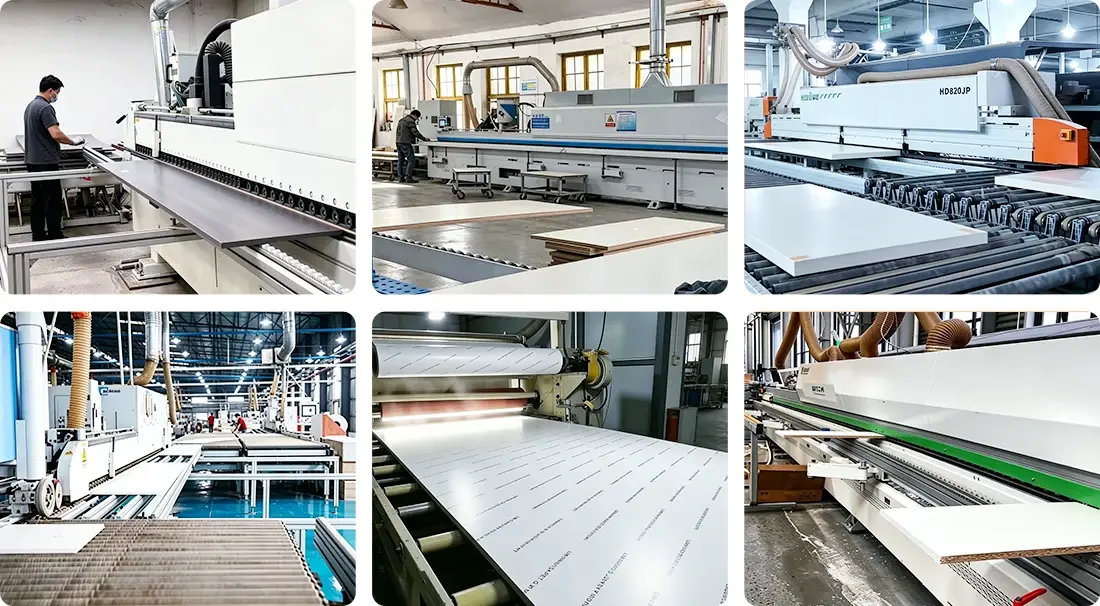
Technical specifications of vacuum forming adhesives
| scope | value |
|---|---|
| Model | AQUENCE FD 3139 |
| appearance | White emulsion |
| Viscosity (Brookfield) | 850–1250 mPa·s (cps) |
| Solid content | 48%–54% |
| pH value | 6-8 |
| Activation temperature | 55°C (minimum) |
| Package | 20 kg/barrel |
| Recommended Apps | Spraying application |
| Minimum operating temperature | Above 10°C |
These parameters are kept consistent in mass production and tested batch by batch to ensure the stability and reliability of the production line.
Application Scope
This adhesive is widely used in the vacuum film molding process of various vacuum forming adhesive panel components. Typical applications include:
Living room and bedroom furniture panels —cabinet doors, wardrobe components, and decorative panels—require a smooth, bubble-free PVC adhesive. AQUENCE FD 3139 provides the necessary tack and coverage for a clean, crisp bond.
Wooden doors and speaker housings —these components often involve curved or contoured surfaces, and the adhesives must maintain bond integrity under stress cycles of pressure, cooling, and use.
Computer desk components and office furniture —surfaces requiring a matte finish—can benefit from the compatibility of this adhesive with matte PVC film and its ability to maintain consistent visual and tactile surface quality.
Spray application methods ensure that the coating is evenly distributed on the panel surface, which is crucial for high-volume furniture manufacturing environments.
Why is this formulation suitable for porous substrates?
Many vacuum forming adhesives have problems with porous surfaces because the emulsion penetrates too deeply to create enough adhesive at the bonding contact. This issue is solved with AQUENCE FD 3139, which is a high viscosity formulation, slowing down the penetration rate and enabling more adhesive to stay on the surface of the substrate.
The low activation temperature of 55°C reduces thermal stress on heat sensitive panels and ornamental films. This is particularly significant for those substrates which cannot be subjected to hot pressing.
Spraying on high-porosity substrates still requires attention to regulate the quantity of coating and not over-coat. In addition, the workshop temperature should not be less than 10°C, which is conducive to the normal production of the emulsion film.
Quality Assurance and Documentation
Each batch of products undergoes performance testing to confirm that viscosity, solids content, pH value, and adhesive strength meet specifications. A complete traceability system supports downstream quality control in your factory.
The following technical documents can be provided upon request:
- Technical Data Sheet ( TDS)
- Safety Data Sheet ( SDS)
- Test report on adhesive strength and heat resistance
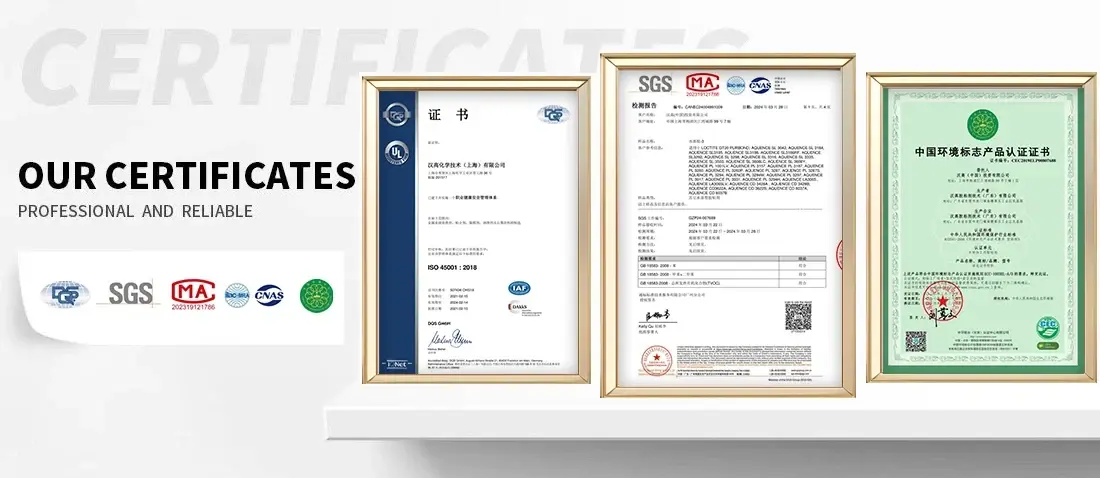
- JAIA F☆☆☆☆ Formaldehyde-Free Certification Compliance Documents
These documents can support your sourcing, compliance, and import processes, especially in markets with stringent requirements for indoor air quality.
OEM and custom formulation support
If you need to alter viscosity, open time, activation temperature or solids content for your production, Sanyiyou R&D team can customise a formulation for you. We do small batch sample testing before we go into mass production so we can assist you evaluate product performance in your process before we go into full scale manufacturing.
We also provide OEM production services. We normally ship within 12-18 business days following formula confirmation.
Frequently Asked Questions
Q: Which substrates is AQUENCE FD 3139 compatible with?
A: It is mainly designed for porous door panels and low-density particleboard. It uses a vacuum membrane pressing process to press the PVC decorative film together through spraying.
Q: What is the minimum operating ambient temperature?
A: The working environment temperature should be maintained above 10℃. Below this temperature, the emulsion will not form a complete film, and even after heating and pressing, adhesion may fail.
Q: How to prevent the film from peeling off on high-porosity panels?
A: It is essential to carefully control the amount of coating applied. On high-porosity boards, excessive coating can cause the adhesive to penetrate too deeply, resulting in insufficient adhesive on the bonding surface.
Q: What causes the edges to bulge during the PET film pressing process?
A: After ruling out factors such as adhesives, sheet metal, and film, check equipment-related factors—especially heating rate, mold cavity temperature uniformity, and vacuum suction time. Opening the mold before it is fully cooled is a common cause of edge bulging.
Q: Is this product suitable for heat-sensitive substrates?
A: Yes. This product has an activation temperature as low as 55°C, making it a good choice for substrates and films that cannot withstand higher pressing temperatures.
Q: Can I request custom packaging or private labeling?
A: Yes. SanyFriend offers a full range of OEM and ODM services, including private label manufacturing and customized packaging. Please contact our team to discuss your specific needs.
Contact Us
Looking for reliable vacuum forming adhesives for your production line ? Contact our team at sales@sayiyousolutions.com for samples, technical documents, or a custom quote.